Leadership & Team Management
How to Motivate Employees in a Small Business

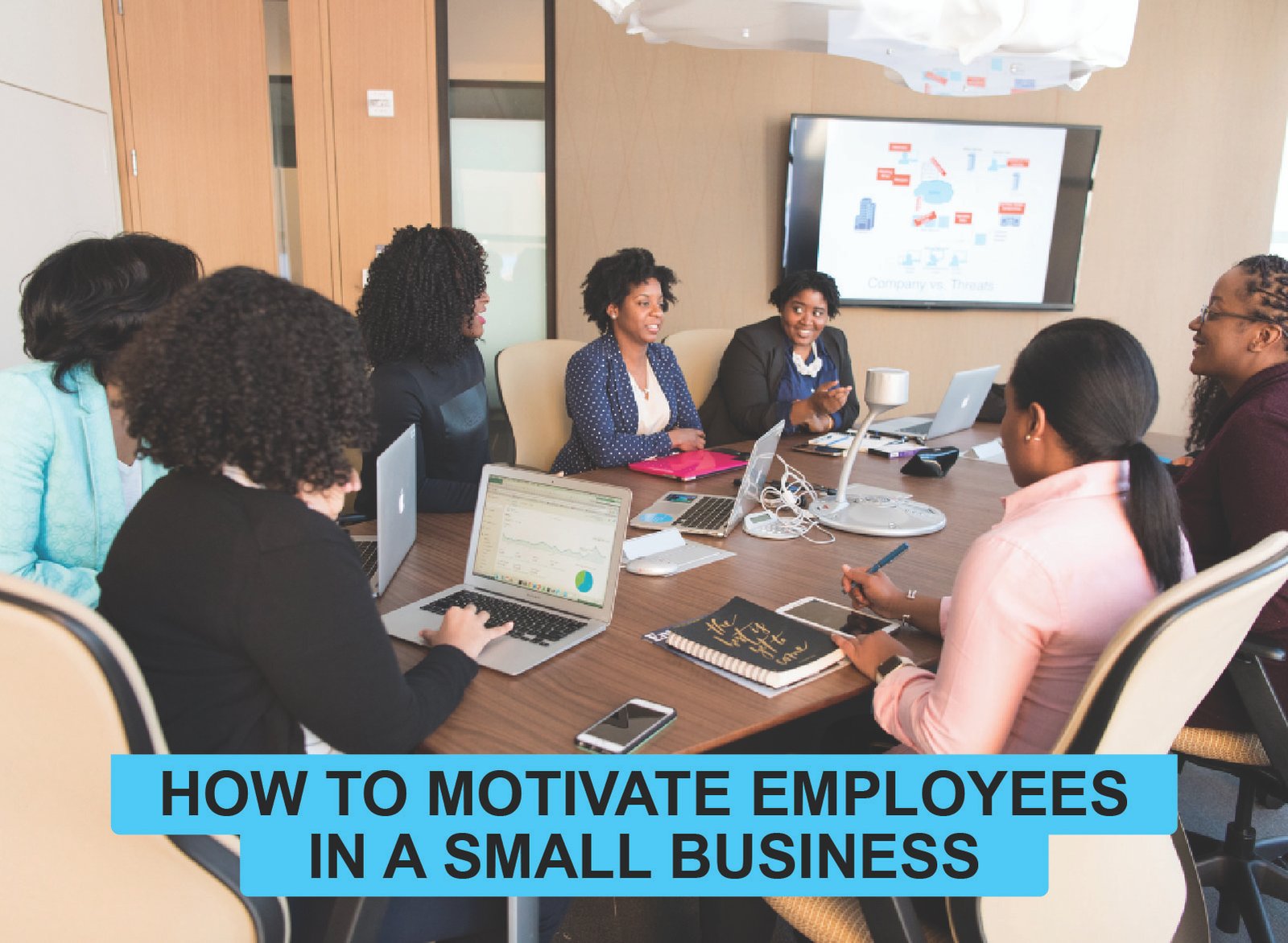
Running a small company comes with a lot of difficulties and the biggest one is to keep your teams motivated. Small businesses such as myself, don’t have budgets and as such we rely on culture, creativity and communication to engage employees. Incentives aren’t everything when it comes to motivating people in a small business; it’s about creating a sense that people belong and that their life and work is recognized and as meaningful. When you know what drives your team members individually and collectively, you are able to come up with strategies to increase morale and productivity.
In this guide we will look at some practical ways to encourage employees in a small business environment, from setting clear and measurable goals through to offering useful feedback, stimulating growth chances and reveling in achievements. If you’re a startup founder or a small business manager, these proven techniques can apply to your company and train you to develop an enthusiastic, motivated workforce ready to grow with your company. An environment where people want to work and stay loyal, is created when you focus the human in your business
Understanding the Basics of Team Motivation
If you own a small business and want to increase productivity and retain the best employees, an understanding of fundamental team motivation is required. How engaged and committed your team members are to their work and the company’s goals will be determined by motivation. Effective leadership helps set clear expectations, support and to recognise achievements. First of all, you need to separate things like personal growth and job satisfaction from bonuses and rewards.
One of the most important factors affecting motivation is company culture — it sets the environment where employees are reminded that they matter and that they are connected to the work they do. Moreover, since you know that every member on your team has their own needs and drivers, you can adapt your approach to sustain the motivation you’ve worked so hard to build. A key foundation to build in order to have a motivated, productive, loyal small business team is this!
Why Motivation Matters in a Small Team
A motivated employee doesn’t just produce more, they are more likely to stick around, offer ideas and create a positive work environment, while on a small team everyone’s impact is magnified. A motivated employee is one who does not only do a task, but one who is a vital asset and is far more productive in their work than the average worker. Additionally, a team that is motivated is more likely to have the dedication and commitment to stay long term at the company, will be consistent contributors of innovative ideas and solutions and usually also the mainstay of a harmonious and cooperative working environment for everyone involved.
The Link Between Leadership and Motivation
Many times motivated teams are a reflection of their leaders’ energy and example. People pay your behavior, your values and your consistency. Most teams underachieve or lack motivation and that is usually a direct reflection of the energy, values and consistent behaviours of the leadership. Actions you take, principles that you demonstrate and how predictable a leader you are make – or break – your team’s morale and drive. It follows that leaders who are enthusiastic, who communicate their vision clearly and whose integrity is evident in their actions also are more likely to inspire and develop a highly motivated, engaged team, with all the benefits that bring.
Intrinsic vs. Extrinsic Motivation
You learn the difference between inner drive (purpose, recognition) and external rewards (bonuses, promotions) in effort to be motivated. An understanding of the two main types of motivation: intrinsic and extrinsic motivation is important to the effective use of motivation strategies. The motivation to complete arisen from within and is based on the realization of a purpose, the satisfaction of accomplishment and the attestation for one’s own contributions. On the other hand extrinsic motivation comes from external rewards like bonuses, pay raise, more promotions. Many times, the best approach is a balanced approach which leverages both types of motivators in an effort to achieve truly sustainable and impactful results.
The Role of Company Culture
A quiet force in everyday motivation is a healthy culture of trust and transparency and inclusion. The powerful, though often unspoken, driver of daily motivation is a thriving culture of a company where the building blocks of mutual trust, open communication and transparency and inclusion for all the team members exist. If employees are viewed in terms of their value to the company, their respect and sense of loyalty as one of a cohesive whole, their natural drive to make their contribution in a positive way and to stay engaged in the company’s mission is greatly multiplied, creating a self motivated organization.
Understanding Individual Needs
No employee is the same. In order to keep your team engaged, you need to know what personally drives your team members. For effective team motivation, it is significant that every employee is a special individual with his own set of values, aspirations and drivers. To tailor your approach and foster a consistently engaged and highly productive team where each person feels valued and motivated to succeed, it’s critical to take the time to learn what specifically motivates each of your team members – from professional growth opportunities or public recognition, to increased autonomy and improved work life balance.
Step-by-Step Guide to Motivating Employees
To motivate your employees, you need to approach it fairly and deliberately. Begin with clear and consistent communication to begin so everyone clearly knows what they need to do and as well as how their work helps the company succeed. Set goals meaningful and achievable, that challenges and inspires your team. Demonstrate recognition of achievements on a regular basis to continue to let people know that they’re appreciated and have morale boosted by recognizing them verbally and giving them rewards or even having small celebrations.
Affording flexibility, including remote work choices or alterable work hours, can suitably balance work for the employees and personal lives of the employees and thereby link to satisfaction. Create a culture of continuous growth through providing learning opportunities, developing skills and advancing career. Give constructive feedback and support in order to help your team get through challenges. However, by implementing these steps carefully and thoroughly, you effectively set a fair workplace where employees will be appreciated, motivated and take ownership to work in your small business.
Step 1: Communicate Clearly and Often
Frequent check in’s with transparent communication are great, you reduce confusion and build trust. How you build motivated team: Fundamental to building a motivated team is establishing clear and consistent communication channels. Frequent check ins – both formal and informal – and communication regarding company progress, expectations and feedback are clear and result in a lower amount of confusion and more trust and inclusion created amongst employees. The more that team members feel informed as to why and where the company goes, the more likely they feel valued and motivated to contribute to the company.
Step 2: Set Goals That Matter
If employees can tie individual tasks to larger company goals, they’ll understand the results of their work and will see themselves as owners. It’s important to connect a task or responsibility back to the big overarching goals of the company to develop a feeling of purpose and ownership. Employees who can clearly see how their day to day work bridges the gap to a bigger picture and can see the positive part they play in it, tend to be intrinsically motivated to give it their best.
Step 3: Recognize Achievements Publicly and Privately
Give consistent feedback, even the smallest of comments to your child, every single day and celebrate with them, celebrate even the small or the big wins. This recognizes people and it helps drive morale and good behavior. A motivator to provide consistent feedback that is meaningful and also celebrate small and big wins along the way. Acknowledging people publicly can bring a morale booster and act as an overall morale booster but privately acknowledging people is better for giving them more personal and special praise. Employee contributions are recognized and are reinforced as positive behaviours and it is a good way to show that they are appreciated (AKA their hard work isn’t going unnoticed).
Step 4: Offer Flexibility Where Possible
It shows trust and respects to employees’ personal lives and shows recognizes employees are likely to get loyal. Trust and respect for your employees’ private lives are great tools that may help to win their loyalty and motivation. Allowing flexibility on work hours or remote work options – as much as possible for the role – indicates that you care about their life outside of work and having a good work life balance. The ability to work autonomously can reduce job satisfaction and the desire to help make their team and ultimately their company succeed.
Step 5: Encourage Growth and Learning
Provide opportunity for development of skill or cross training. It also shows that you care about their long term success. Supporting your employees as you invest in their long term success by offering up opportunities to further their skill set, training or by cross training individuals demonstrates that you value their success and recognize the potential they have both now and in the future within your organization. Continuous learning is not only encouraging their capabilities and contributions but also engage and motivate them because they feel the company is involved in their professional development and future.
Advanced Tips and Strategies
In your small team, however, advanced ways to further boost your employees’ motivation can make a huge difference. There is an implementation of peer recognition systems that will make the team members feel the happy environment to appreciate and celebrate each other’s contributions. Ownership opportunities—employee involvement in the company’s decision making and responsibility for projects—boost their investment into the results. Social connections at work are strong and good relationships fostered at work engender trust and camaraderie which improve motivation.
By associating daily tasks with a larger picture of the company’s mission it helps employees see the purpose in what they are doing. Moreover, the customization of incentives and rewards in consideration of individual preferences guarantees that recognition is personal and therefore is more effective. Applying these sophisticated techniques will help you build a compelling workplace that stimulates engagement, satisfaction, and long term commitment.
Build Peer Recognition Systems
Employees should feel appreciated by each other through shout outs, kudos boards or internal awards. It offers the power of a culture of empowerment where employees know how to acknowledge and appreciate each other’s contributions. Peer recognition systems including shout out channels, virtual or physical kudos board and internal peer nominated awards enable a team to reciprocate the success and effort of their team members. In addition to creating bond and respect, it also enhances good behaviors and contributions among the team as well.
Create Ownership Opportunities
Bring your team into decisions and let them head projects. It gives reason to do the job beyond just ‘doing the job.’ To take employee engagement beyond merely being able to perform assigned work requires allowing employees to own. Involve your team members in the decision making process regarding things that influence their work and lend them ability to lead a project or initiative. A significant sense of purpose and responsibility is instilled, as employees are closer to outcomes and more committed to the success of the company and team because they have real skin in the games and are directing it.
Foster Social Connection
Tight knitted culture is what small businesses live on. Bond over lunches, outings or casual get togethers. Many small businesses owe their success to a tight knit team culture. Promote social interactions, relationships and bonding within your employees by promoting some informal bonding via team lunch / occasional outing / your people meetup after work. A conducive working environment from the perspective of building good interpersonal relationships and a sense of camaraderie amongst the teams guarantees high levels of morale, communication and a general environment that encourages teamwork and is fun.
Connect Daily Tasks to Purpose
Roll the roles back to the mission of the company. Tell your team that what they’re building matters. To enhance a deeper feeling of reason, motivation, never go unnoticed to link the daily responsibilities and tasks of every team member to the larger vision, goal and value of the business. Ask your team to regularly remind the team they are not isolated contributors, but are crucial members of a team ultimately building something important, something that creates that lasting impact. If employees understand the bigger picture; how their work impacts some bigger purpose, they tend to feel more fulfilled and they will do good work for the sake of good work i.e there is an intrinsic motivation for them to excel.
Customise Incentives and Rewards
Some people think time off is important; others will take a bonus or want to be publicly praised. Whenever possible, tailor rewards to people. The reason is simple, different people are motivated by different things and recognising that fact is important when crafting truly effective incentive and reward systems. Some employees will really want more time off or at least more flexible work arrangements, but others will care most about an extra bonus or being praised publicly for their accomplishments. Wherever possible, tailor incentives and rewards for your team to match as closely as possible each individual’s preferences and values, so that you can maximise the impact of those incentives and communicate that you understand why that person is truly motivated.
Common Mistakes to Avoid When Motivating Employees
In motivating employees, however, some common mistakes can unknowingly negate your best efforts. One way to create employee disengagement is to ignore feedback, as employees feel they aren’t being listened to and they’re not as valued. Top performers can be overloaded with too much work until they burn out or lose their incentive. Confusion and resentment reduce trust because there is an inconsistency in giving praise or establishing policies. What during and after meeting goals we may not think about is that relying heavily on monetary rewards to motivate employees can miss other, often more enduring positive motivators — recognition, growth, purpose.
Furthermore, in order not to kill motivation, they need to deal with the conflicts in the workplace effectively and at the right time. Knowing these pitfalls and being on guard to avoid them makes for a good, fair, motivating environment. By getting everyone involved, it allows for a more engaged, productive – and, therefore, loyal – employee, an absolute necessity for success in small business.
Ignoring Employee Feedback
Feedback should be and hopefully is, a two way street. If you create a one way feedback culture it is definitely not good for employee motivation and your team will disengage extremely quickly if they feel unheard. Leaders should proactively seek feedback from team members and really take into account what team members have to say. If your employees have a feeling they are being ignored or dismissed over and over, they will burn out in no time because they will feel disrespected and not invested in your business at all.
Overloading Top Performers
Giving more work to your best workers is rewarding — it leads to burn out. Share out responsibility quite fairly. While it’s not unnatural to lean on your top performers, continually giving them more and more, as a way to reward their best work, leads to burnout. While they clearly require hard work and dedication, top performers often become over burdened and resentful and demotivated when they feel the company is exploiting them rather than serving them. But it’s also important to spread responsibilities out far and wide on the team and give strong performers a chance to do more work — or to provide a layer of growth and development, unless so only at the expense of another position.
Being Inconsistent with Praise or Policies
Favoritism or use of inconsistent standards kills morale. Where there is fairness, one is motivated. An inconsistent approach to how praise is distributed or even how consistent company policies are applied, can quickly destroy team morale and trust. Unduly high or low standards of performance or the perception that job assignments are being made on the basis of favoritism leads to a sense of injustice which destroys all motivation. A motivated and fair work environment that treats all employees in fair and equitable ways requires fairness, transparency and a consistent application of recognition and policies.
Overemphasizing Money Alone
It’s not necessarily about pay, it’s important, but it’s not everything. Purpose, growth and recognition are where longterm motivation comes from. Of course, competitive pay is a key factor in persuading top talent to join and stay on, but money alone isn’t sufficient bait: it fails to provide a strong enough tie between an organization and a single person. Effective and lasting motivation is not only based on an understanding of the work you’ll do, but it involves feeling part of something larger; this is based on growth and development and it includes how your contributions and successes are recognized on a continual basis.
Failing to Address Conflicts Promptly
If you have unresolved tension, your culture can become poisoned. Deal with issue quickly and constructively. Unresolved tension leads to interpersonal conflicts within the team and the produced toxic work environment essentially poisons whole culture and kills all the employee motivation. Failing to resolve conflicts can drag productivity down and raise stress levels — and worst case, boost turnover. If problems happen, they need to be addressed quickly, openly and constructively for a healthy positive team dynamic, where employees feel supported and can get on with doing what they are there to do which is their work.
Tools and Resources to Support Employee Motivation
If you have the right tools and resources, supporting employee motivation in a small business is easier. Tools like Trello or Asana help make project management software easier to use and they help keep teams organized and aligned which in turn improves the clarity and focus you have. There are communication platforms like Slack that encourage collaboration and quick feedbacks. Bonusly or Kudos is an employee recognition app that makes it easy to celebrate an achievements and give peer feedback. Online learning platforms such as LinkedIn Learning or Coursera give you access to online learning. Plus, regular employee surveys and feedback tools such as Officevibe help you keep tabs on what your team needs and how to engage them. Further, by utilizing these resources, a workplace is created where employees are motivated, transparent, supportive of one another and feel valued and empowered.
Employee Engagement Platforms
If you want to measure and improve team sentiment, try using tools such as Officevibe, TinyPulse or 15Five. Having a two way exchange of communication is essential to being effective as a leader, where not only are employee input requests coming in they are actually respected and implemented. If team members feel that their opinions, concerns, ideas are always disregarded or not dealt with, they will most definitely feel unheard and be undervalued which results in fast slide to engagement and the lesser investment in the company’s success.
Communication Tools
Daily conversations can be made faster and faster through Slack, Microsoft Teams or Zoom. After all, there’s no denying that it’s tempting to keep giving your best employees the best, most important tasks. But overloading your most competent workers with a larger and larger amount of work while providing them with high performance simply reinforces the expectation of more and eventually leads to burnout and resentment. Don’t just give them more to do, rather recognize their contributions with a chance for professional growth, skill development and leadership opportunities that equally contribute to all of the team’s workload.
Project Management Systems
Asana, Trello or ClickUp, helps to keep tasks visible, aligned and organized which reduces confusion and stress. For this latter purpose, the application of company policies and distribution of praise need to be fair and transparent. A sense that favoritism or lack of consistency in terms of setting standards exists can breed resentment, destroy team morale and result in a sense of injustice as a whole that destroys overall motivation. The same is true when it comes to Employee Recognition: A consistent and equitable approach means that all employees will feel valued, respected and will understand how they are recognized and what is expected of them as an employee of that organization.
Recognition and Rewards Software
Platforms like Bonusly or Kudos provide means for peer-to-peer appreciation, are easy to use and keep appreciation in view. It’s no secret that competitive compensation is one of the main things that keep people at a company or draw them in from the start, but relying only on money as the biggest motivator is rarely effective over the long haul. A more holistic approach that promotes sustainable employee engagement and motivation, by striving for employees to feel a purpose in work, as well as providing professional growth and development and consistent recognition of contributions, in a positive work environment.
Learning & Development Resources
Employees upskill their career and feel more valuable through Linkedin Learning, Coursera and even internal mentoring programs. Teamwork is necessary, but unresolved conflicts and interpersonal tensions within a team can poison an otherwise productive work environment and kill employee morale and motivation. If these types of issues are left out there to fester, you’ll see decreased productivity and higher stress levels which usually leads to higher employee turnover. Resolving conflicts quickly, openly and with a constructive focus is essential to the overall functionality of a healthy, positive team where members support one another so they can focus on their responsibilities.
Conclusion:
Motivating employees in a small business isn’t done through expensive perks, it’s done through connection, recognition and respect. Motivation’s one step behind — if you listen, lead with intention and create a workplace where people feel seen and heard. The payoff? A team that’s better, performs better and has a culture that supports your business for the long haul.
If you want to build a more motivated team but without breaking the budget, we have you covered. Wish you could have speedy tips, tools and leadership insights—handed right to you for delivering small business success on a weekly basis? Subscribe.
FAQs
-
How do you best motivate a small team?
There has to be consistent recognition and strong communication. People want to feel valued and want to connect to the company mission.
-
How can I motivate my employees without spending money?
Verbal praise, flexible work hours, meaningful responsibilities and openly talking with employees will increase engagement.
-
Is there a way to motivate remote teams?
Absolutely—just with more emphasis on good communication, giving proper recognition and allowing for social connection in the digital world.
-
If an employee keeps appearing unmotivated, despite my best attempts to motivate it, what then?
Have a about face direct, respectful conversation. See what’s lacking and what you can do to support them.
-
Should performance based incentives be set?
Yes and that’s with the right balance of intrinsic motivators (purpose, autonomy and mastery) to build long term engagement.

How to Plan and Manage Business Projects Effectively

Best Practices for Improving Business Operations

How to Create an Effective Marketing Strategy for Your Business

How to Manage a Small Business Efficiently

How to Motivate Employees in a Small Business

Effective Business Management Strategies for Startups
How to Motivate Employees in a Small Business
How to Create an Effective Marketing Strategy for Your Business
Effective Business Management Strategies for Startups
How to Plan and Manage Business Projects Effectively
How to Manage a Small Business Efficiently
Best Practices for Improving Business Operations
How to Plan and Manage Business Projects Effectively
Best Practices for Improving Business Operations
How to Create an Effective Marketing Strategy for Your Business
How to Manage a Small Business Efficiently
How to Motivate Employees in a Small Business
Effective Business Management Strategies for Startups
-
 Marketing & Sales Management1 year ago
How to Create an Effective Marketing Strategy for Your Business
-
 General Business Management Tips1 year ago
Effective Business Management Strategies for Startups
-
 Project Management Tips1 year ago
How to Plan and Manage Business Projects Effectively
-
 General Business Management Tips1 year ago
How to Manage a Small Business Efficiently
-
 Operations Management1 year ago
Best Practices for Improving Business Operations


